March 5, 2026
Gold can be a valuable asset in your financial toolkit, whether you're clearing out old jewelry or looking to supplement income. The idea of selling gold is simple in concept, but in practice, it can feel intimidating. Many factors go into finding a buyer you can trust, from understanding market prices to choosing between local and online buyers. This guide will walk you through everything you need to know to confidently sell your gold and walk away with fair value.
Understand the Value of Your Gold
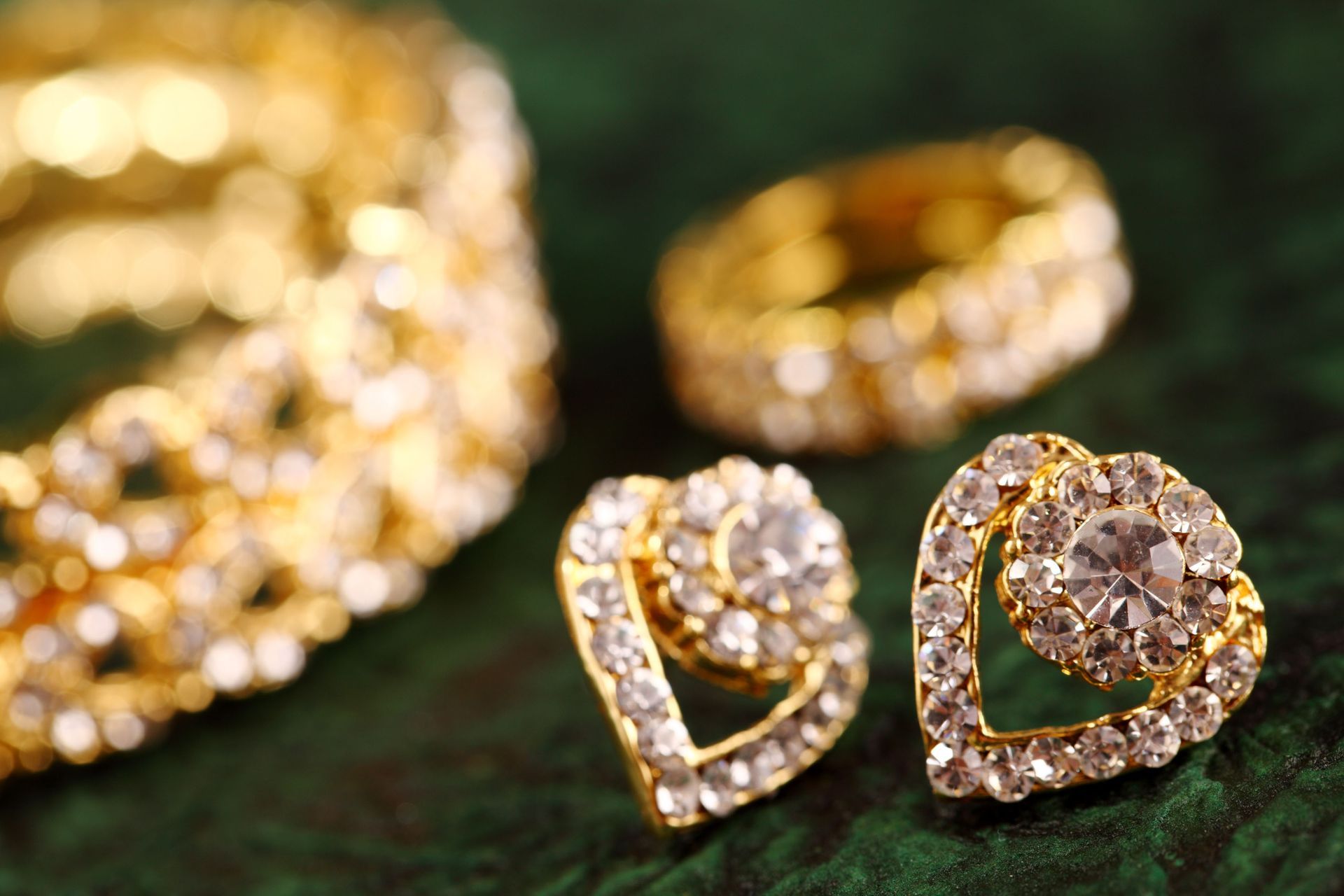
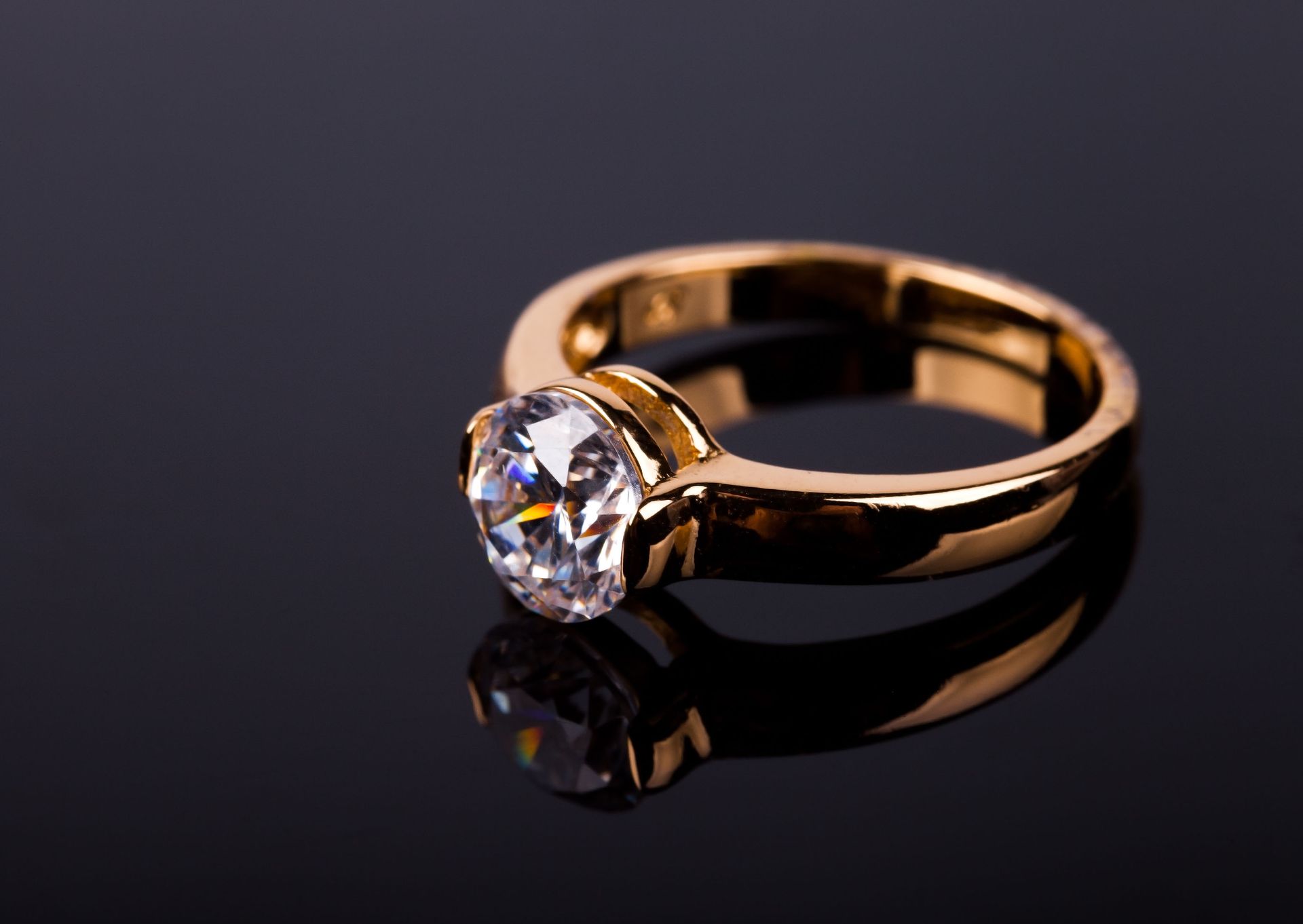
Before you decide to sell your gold, it's essential to understand what your pieces are worth. It helps to start with context on how big the gold resale market really is. According to Greenwich Capital Group, rings are the best-selling jewelry accessory in the U.S., with a 43% share of the American jewelry sector. That means a large portion of the gold consumers own is in ring form and potentially ready to be sold. Gold value isn't determined simply by sentiment or what you originally paid. Instead, it's influenced by the current market price of gold per ounce and the purity of each piece.
Gold purity is measured in karats, with 24K representing pure gold. Lower karats, such as 10K or 14K, mean the piece contains other metals, reducing its gold content and resale value. When you sell your gold, reputable buyers will test your jewelry to determine purity and weight before calculating an offer based on the current gold spot price.
Research Local Buyers Thoroughly
Local gold buyers include pawn shops, jewelry stores, and specialty gold buying shops. These options allow you to interact face-to-face with the buyer and often receive payment on the spot. However, not all local buyers operate with the same standards, so careful research is essential before you decide where to sell your gold.
Start by reading online reviews. Pay attention to recurring themes in customer feedback. A buyer with consistently high ratings and detailed reviews earns credibility over time. Look for shops that are transparent about their evaluation process and pricing standards.
You can also call ahead and ask questions about how they determine offers, how they test gold purity, and whether they provide different payouts for cash versus store credit. Even within the same city, payout rates can vary, so investigating multiple options before committing is worthwhile. Taking the time to research gives you greater confidence when you sell your gold.
Compare Multiple Offers
Once you've identified several potential buyers, the next step is to get offers from each one. Many sellers accept the first offer they receive, but that approach can cost you money. Gold buyers often quote different prices based on their operating costs, profit margins, and appraisal practices.
When comparing offers, bring the same pieces to each buyer. This allows you to compare consistent evaluations and determine which shop is offering the most competitive payout. A reliable shop that buys gold will test purity in front of you and provide a breakdown of how the offer was calculated. Legitimate buyers will also explain why their payout may be slightly below the spot price, clarifying how refining and overhead costs factor into their pricing.
Taking a comparative approach can significantly increase the amount you receive when you sell your gold. Even a small difference per gram can add up quickly, especially if you have multiple items.
Understand the Selling Process
A trustworthy gold buyer follows a clear and consistent process when evaluating items. When you sell your gold, the transaction typically begins with a visual inspection to identify hallmarks and assess condition. The buyer then verifies gold content using recognized testing methods, such as acid testing or advanced XRF technology. After confirming purity, the items are weighed on a calibrated scale that measures gold content accurately.
Once weight and purity are established, the buyer calculates an offer based on those factors and the current gold spot price. You should receive a clear explanation of how the final figure was determined. A reliable shop that buys gold presents the offer in a straightforward manner and allows you time to consider it without pressure.
If a buyer rushes you, refuses to explain testing procedures, or avoids performing evaluations in your presence, that's a warning sign. Transparency in each step of the process is a key indicator that you're dealing with a reputable business.
Know Your Payment Options
When you sell your gold, you may have several payment options available. Some buyers provide immediate cash, while others issue checks or electronic transfers. In certain cases, jewelry stores or pawn shops offer store credit that may be slightly higher than their cash payout, although it limits how the funds can be used.
Before completing any transaction, confirm how and when you will receive payment. Reliable buyers outline payment terms clearly and complete transactions promptly once you accept the offer. If you need immediate funds, cash may be the most practical choice. However, if you plan to make future purchases at the same store, a higher store credit payout could be beneficial.
Be cautious of buyers who delay payment unnecessarily or make vague promises about future compensation. Clear payment terms are another sign that you've chosen the right place to sell your gold.
Watch Out for Red Flags
While many buyers operate ethically, others may prioritize profit over fairness. As you prepare to sell your gold, it's important to recognize warning signs that could indicate an unreliable shop. These include a lack of transparencies regarding testing methods, a reluctance to allow you to observe the weighing process, and offers that seem dramatically lower than the current market value.
Pressure tactics are another concern. If a buyer insists that an offer is only valid for a short time or attempts to rush your decision, it may be best to leave and seek another opinion. Negative online reviews that consistently mention unfair pricing or poor communication should also be taken seriously.
Trust your instincts during the transaction. A reliable shop that buys gold will welcome your questions, explain its process thoroughly, and respect your right to decline an offer.
Protect Your Interests With Documentation
Maintaining thorough documentation protects your financial interests when you sell your gold. Request written offers that specify weight, purity, and the price per ounce used in the calculation. Keep copies of receipts, test results, and any written communication related to the transaction.
Having documentation helps you compare offers more accurately and provides evidence if questions arise later. In some states, consumer protection laws require specific disclosures for precious metals transactions, so understanding your rights can add another layer of security.
Selling gold can be a smart financial move when approached thoughtfully. Start by understanding your items' value, researching both local and online buyers, and comparing multiple offers before making a decision. A transparent evaluation process, clear payment terms, and thorough documentation are key indicators that you've found a reliable shop.
With preparation and careful research, you can sell your gold confidently and maximize your return. Taking the time to choose the right buyer, such as Coin Galleries of Oyster Bay, transforms what might feel like a risky transaction into a straightforward and rewarding experience. Reach out to us today to get started with a professional service you can rely on.