June 16, 2026
For generations, precious metals have served as an enduring store of personal wealth and timeless style. Whether you possess an antique heirloom passed down through your family, an outdated necklace sitting unworn in a jewelry box, or a strategic collection of investment pieces, understanding how professionals assess these items can completely demystify the liquidation process.
When you walk into a store to sell your gold jewelry and other valuables, the evaluation process can occasionally feel shrouded in mystery. You see an appraiser inspect a tiny inscription under a magnifying lens, perform a quick chemical scrape test, and place the piece on an ultra-sensitive digital balance.
However, determining the payout for your items relies on an objective, multi-layered formula that balances historical metallurgy with fast-moving global financial markets. Reputable gold buyers utilize standardized scientific protocols to determine exactly what your items are worth, ensuring you receive a transparent, fair, and verifiable assessment.
The Anatomy of the Evaluation: Purity, Weight, and Market Price
The baseline value of any piece of scrap, vintage, or estate gold relies on three interconnected elements: its weight, its raw precious metal content, and the live market spot price. Professional valuation always separates the pure precious metal from any base metals used during the original manufacturing process.
Decoding the Karat Scale
Pure gold in its raw state is incredibly soft, malleable, and prone to scratching, denting, or bending under the rigors of daily wear. To create durable items that resist warping, jewelry manufacturers alloy raw gold with stronger base metals, such as copper, silver, zinc, or nickel. Therefore, the first critical task of an appraiser is to determine the exact ratio of pure gold contained within your items. According to Elemetal, gold purity is measured on a 24-part karat scale, where 24K is 100% pure gold, 18K is 75% pure (18 parts gold), 14K is 58.3% pure (14 parts gold), and 10K is 41.7% pure (10 parts gold). When evaluating gold jewelry, the appraiser looks for a hallmark—a tiny stamp usually found on a ring's inner band, a necklace's clasp, or the back of a pendant. In the United States, common stamps include 10K, 14K, or 18K.
Precision Weighing and Spot Prices
Once the purity level is verified, the item is weighed using highly sensitive, state-regulated digital balances. These scales are calibrated to measure weight in grams or pennyweights (dwt), a traditional jewelry metric where one pennyweight equals approximately 1.555 grams.
The appraiser then cross-references this exact weight and verified purity against the live global spot price of precious metals, which is set by international trading hubs like the London Bullion Market Association (LBMA). Because global financial markets fluctuate continuously throughout the trading day based on currency values, inflation fears, and geopolitical events, professional buyers utilize real-time ticker feeds to calculate an accurate payout at that exact minute.
For example, if you possess a piece of gold jewelry weighing 20 grams at a 14K purity level, it is not 20 grams of pure gold. The appraiser calculates the value based solely on the 11.66 grams of actual, fine gold hidden within that specific alloy. The remaining 8.34 grams of alloyed metals are excluded from the core gold payout calculation.
Distinguishing Intrinsic Melt Value from Resale Value
A common point of confusion for consumers is the difference between an item's raw "melt value" and its potential retail or estate resale value. Understanding how these two evaluation categories function helps you set realistic expectations before meeting with specialized jewelry buyers.
Intrinsic Melt Value
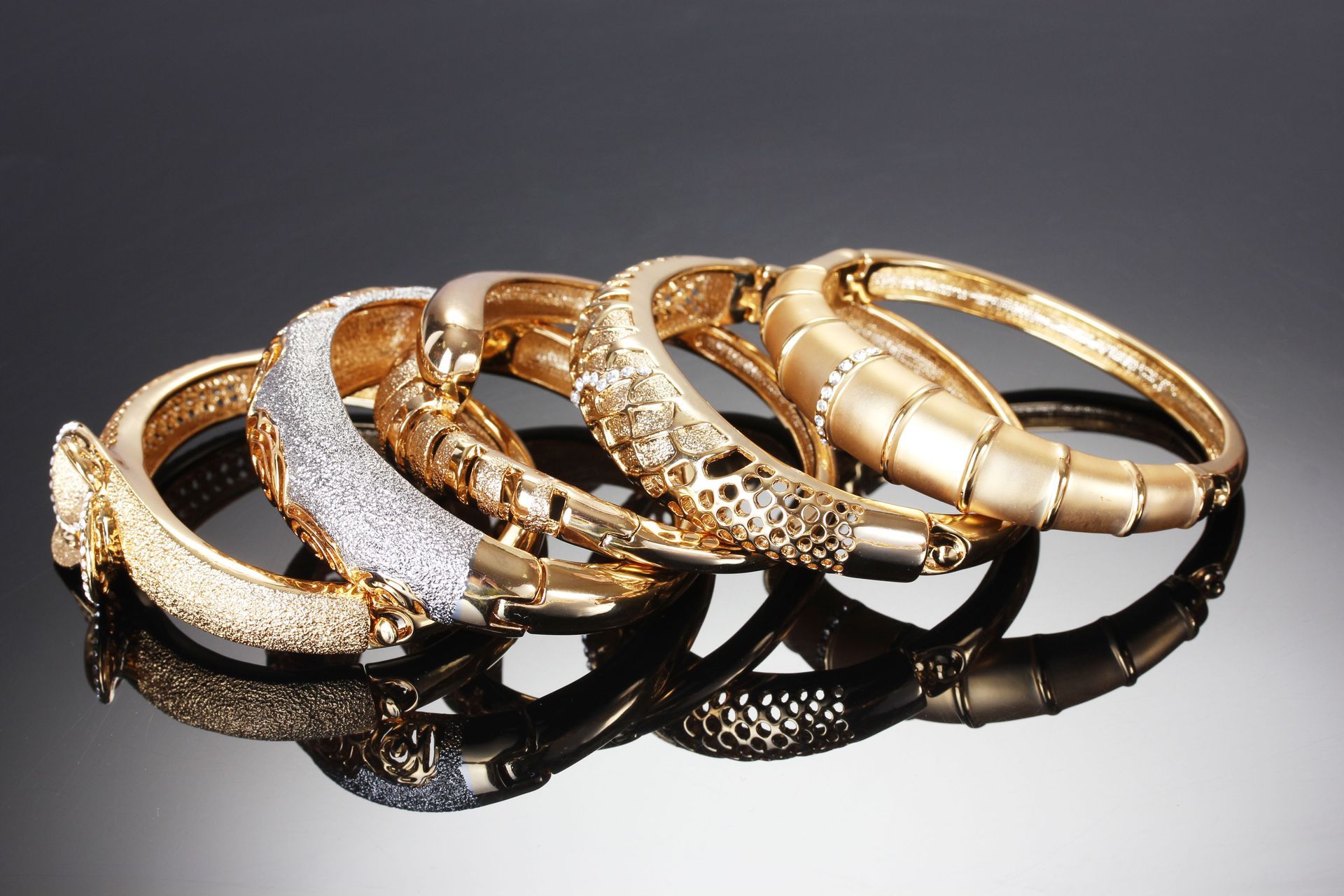
Intrinsic melt value represents the raw dollar value of the precious metal content alone, completely ignoring the design, brand, aesthetic appeal, or historical significance of the piece. This valuation method applies best to damaged gold jewelry; broken chains, mismatched earrings, severely dented rings, and generic dental gold. Items evaluated this way are destined to be bundled together, shipped to a refinery, melted down in a crucible, and recast into pure bullion bars.
Resale and Estate Value
Conversely, resale or estate value looks at the total market value of the piece as a finished, wearable item. This approach factors in fine craftsmanship, designer signatures, historical eras, and the value of any inset gemstones.
If a piece of gold jewelry is severely broken, dented, or missing matching components, it is classified as scrap material destined for a refinery. However, if the item is entirely intact, beautifully crafted, or carries historical provenance, it may hold an estate value that vastly exceeds its raw weight on the scale.
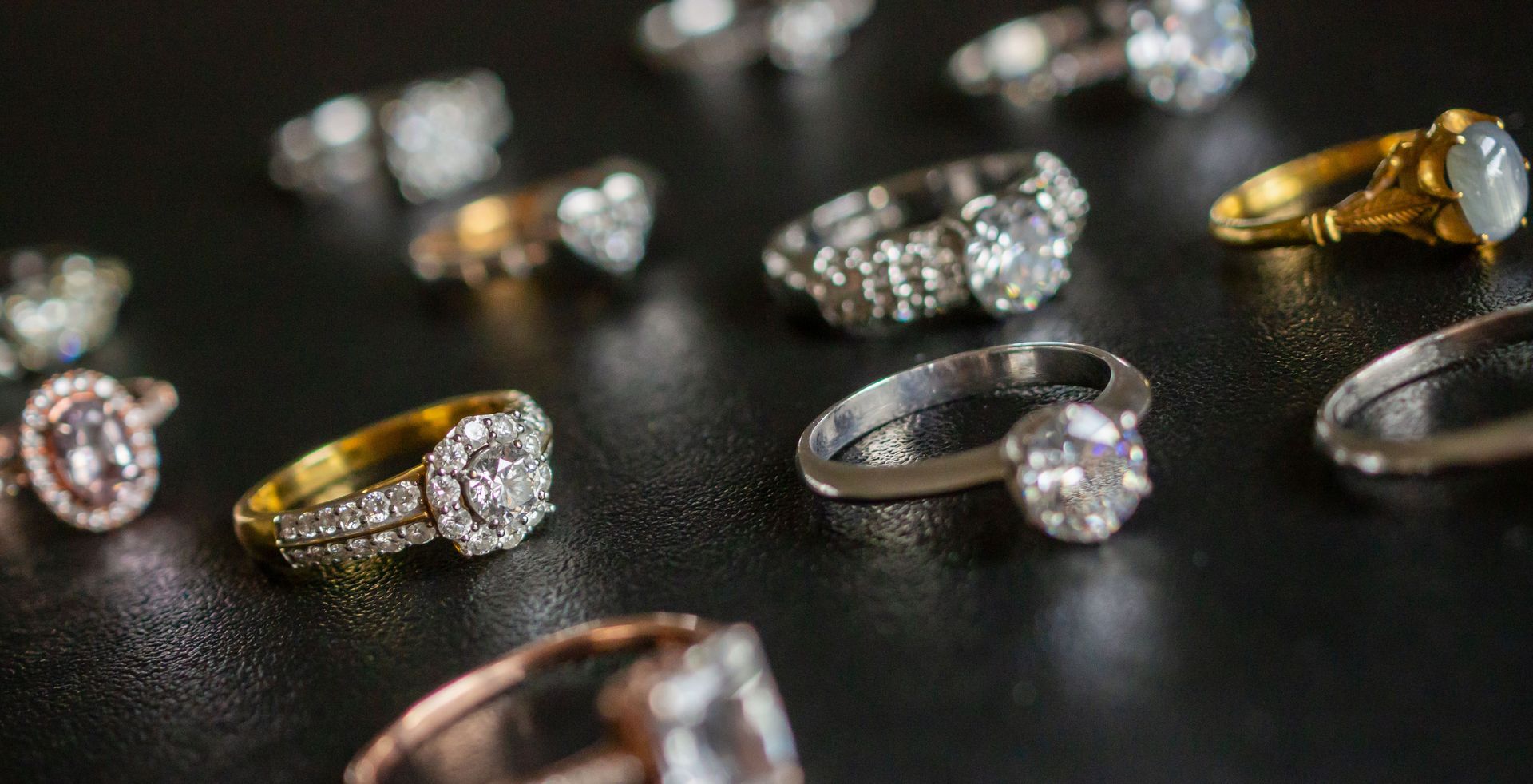
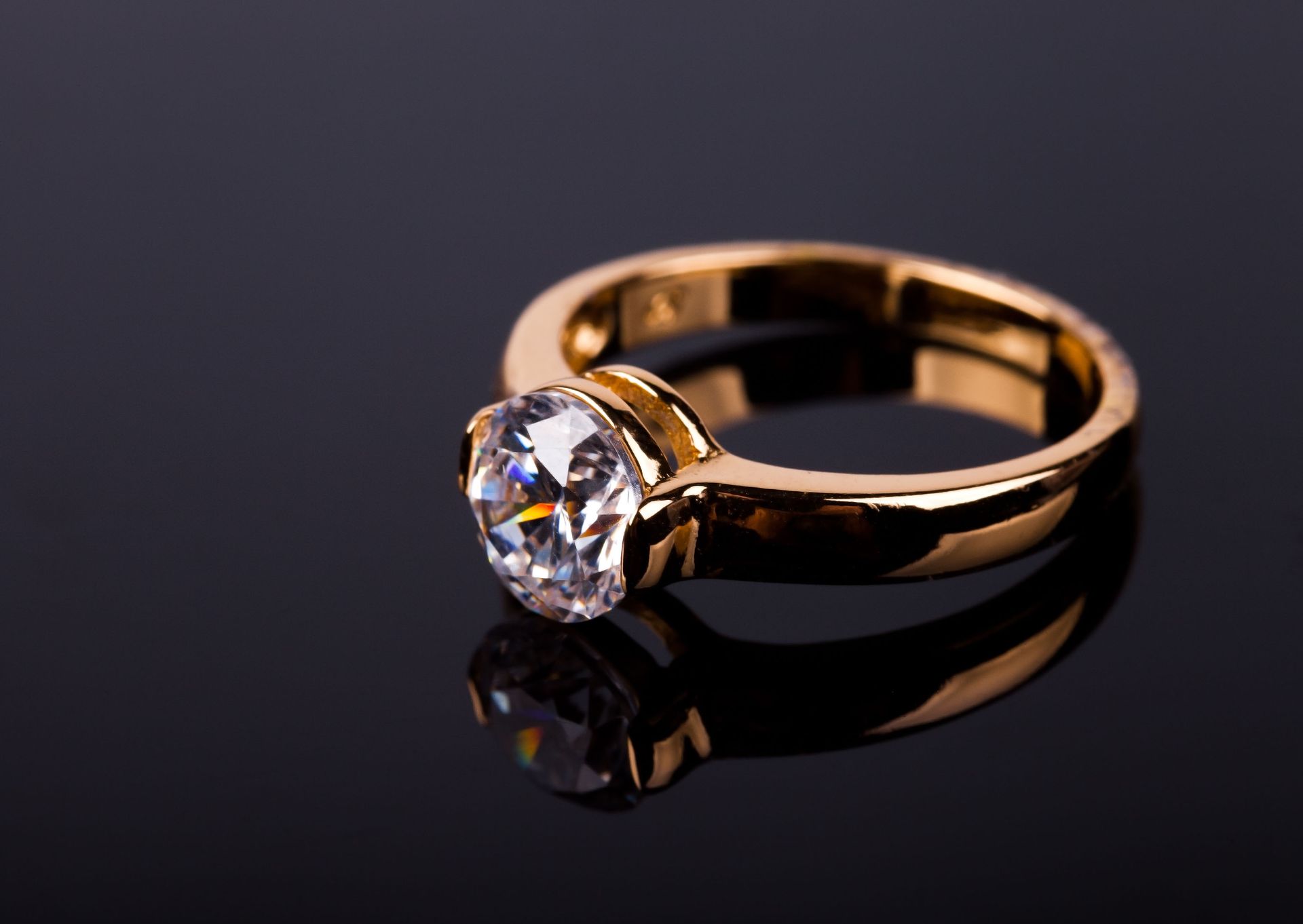
Leading appraisers assess your items from both angles, giving you the benefit of whichever valuation yields the highest possible return. For instance, teams that regularly sell fine jewelry, sell engagement rings and wedding bands, or sell diamonds and lab-grown diamonds can easily spot when an item has a lucrative secondary life on the retail market rather than a one-way trip to the melting pot.
Expanding the Scope: Bullion, Silver, and Collectibles
A buyer does not limit their expertise strictly to gold jewelry. A multi-disciplinary appraiser provides comprehensive liquidation pathways for a vast spectrum of tangible assets.
Bullion and Sovereign Coins
For individuals holding investment-grade assets, the appraisal process is incredibly streamlined. When clients choose to buy gold and silver bullion or liquidate an existing collection, the valuation relies almost entirely on verified mint specifications.
Expert silver buyers and gold specialists recognize that standardized bars and sovereign coins—such as American Gold Eagles, Canadian Maple Leafs, or South African Krugerrands—are struck by government mints with precise, guaranteed weights and purities. This enables rapid verification, visual inspections of the coin's security features, and instant cash conversions based directly on the current market spot price, with very low dealer margins compared to scrap items.
Numismatic Coin Collections
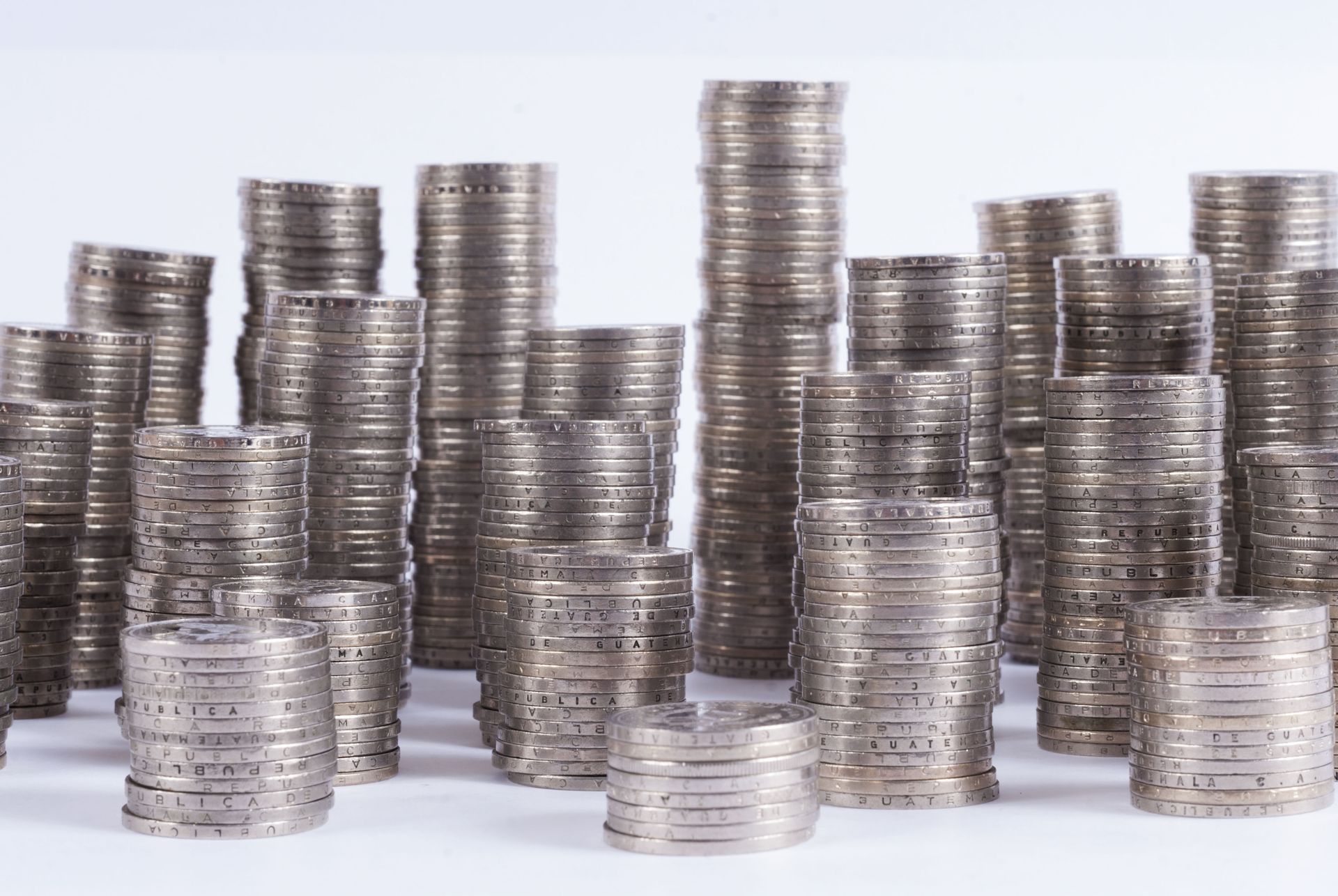
A completely distinct, specialized approach is required if you wish to liquidate inherited currency or vintage coin assortments. When specialized dealers buy coin collections, they look far beyond the raw metal weight. In fact, a coin's "face value" or its melt value is often the least important factor.
Numismatists evaluate the absolute rarity, the specific mint year, the location of the mint mark, and the overall physical preservation condition. Experts often utilize the professional Sheldon 70-point grading scale to assess wear. Because of intense collector demand, a rare historical coin can easily be worth thousands of times its basic metallic weight.
Alternative Tangible Assets
The modern estate liquidation landscape also encompasses secondary luxury markets and historical memorabilia. Beyond precious metals, estate appraisers often employ specialized historians to evaluate alternative portfolios.
For instance, when firms buy sports memorabilia, they inspect vintage trading cards, game-worn jerseys, and autographed equipment. These items are evaluated using strict authentication practices, tamper-evident third-party grading certifications, and historical auction data. This ensures that rare pieces of athletic history are priced accurately alongside your traditional precious metal assets.
Stepping behind the appraiser's counter reveals that valuing your items is not a matter of guesswork, but a transparent blend of precise chemistry, exact weight metrics, and real-time global market data. Whether you are holding gold jewelry, a cherished family heirloom, investment bullion, or a vintage numismatic collection, knowing how these pieces are evaluated puts the power back in your hands as a seller.
Before you step up to the scale, take a moment to look for hidden hallmarks, separate your items by karat purity, and gather any original certifications or diamond grading reports. Armed with organization and a clear understanding of the evaluation process, you can walk into your appraisal with absolute confidence.
Contact Coin Galleries of Oyster Bay today to receive a transparent evaluation for your gold jewelry and precious metal collections before selling.